Lung problems: cough, shortness of breath, and chest pain
Intestinal problems: diarrhea (loose stools) or more frequent bowel movements than usual; stools that are black, tarry, sticky, or have blood or mucus; and severe stomach-area (abdomen) pain or tenderness
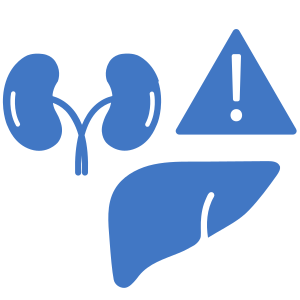
Liver problems: yellowing of your skin or the whites of your eyes, severe nausea or vomiting, pain on the right side of your stomach area (abdomen), dark urine (tea colored), and bleeding or bruising more easily than normal
Hormone gland problems: headaches that will not go away or unusual headaches; eye sensitivity to light; eye problems; rapid heartbeat; increased sweating; extreme tiredness; weight gain or weight loss; feeling more hungry or thirsty than usual; urinating more often than usual; hair loss; feeling cold; constipation; your voice gets deeper; dizziness or fainting; and changes in mood or behavior, such as decreased sex drive, irritability, or forgetfulness
Kidney problems: decrease in your amount of urine, blood in your urine, swelling of your ankles, and loss of appetite
Skin problems: rash; itching; skin blistering or peeling; painful sores or ulcers in mouth or nose, throat, or genital area; fever or flu-like symptoms; and swollen lymph nodes
Pancreas problems: pain in your upper stomach area (abdomen), severe nausea or vomiting, and loss of appetite
Problems can also happen in other organs and tissues. These are not all of the signs and symptoms of immune system problems that can happen with IMFINZI and IMJUDO. Call or see your healthcare provider right away for any new or worsening signs or symptoms, which may include: Chest pain, irregular heartbeats, shortness of breath or swelling of ankles; confusion, sleepiness, memory problems, changes in mood or behavior, stiff neck, balance problems; tingling, numbness or weakness of the arms or legs; double vision, blurry vision, sensitivity to light, eye pain, changes in eye sight; persistent or severe muscle pain or weakness, muscle cramps, joint pain, joint stiffness or swelling; and low red blood cells and bruising
Infusion reactions that can sometimes be severe or life-threatening. Signs and symptoms of infusion reactions may include: chills or shaking, itching or rash, flushing, shortness of breath or wheezing, dizziness, feel like passing out, fever, and back or neck pain
Rejection of a transplanted organ or tissue. Your healthcare provider should tell you what signs and symptoms you should report and monitor you depending on the type of organ or tissue transplant that you have had
Complications, including graft-versus-host disease (GVHD), in people who have received a bone marrow (stem cell) transplant that uses donor stem cells (allogeneic). These complications can be serious and can lead to death. These complications may happen if you underwent transplantation either before or after being treated with IMFINZI. Your healthcare provider will monitor you for these complications



 Schedule your next infusion before you leave
 If possible, take it easy for the rest
  Contact your healthcare team right away if you develop any new or worsening signs or symptoms
 Be sure to notify your doctor if you experience any infusion reactions
 Show up early
 Drink plenty of water
  Eat a small meal
 Dress comfortably
  Write down any questions you may have for your care team
 Identification/
 List of medications you are taking
 Snacks in case you get hungry
 Water bottle to help you stay hydrated
 Lip balm, lotion, and hard candy to soothe dry skin and lips
 Sweater or blanket in case you get cold
 Things to keep you entertained like reading materials, mobile devices (phone, laptop, tablet), and a charger for your devices